martes, 10 de agosto de 2021

8.6.- How to use an insulin pen

Video about parts of the insulin pen


Exercises on pages 84 

Video about how to use the insulin pen

Exercises on page 85


Video about 50 advanced verbs

Some nursing procedures
  • Venipuncture. ...
  • Intubation. ...
  • Blood Transfusion. ...
  • Tracheostomy Care. ...
  • Lifting Patients. ...
  • Wound Care. ...
  • Splints and Casts. ...
  • Catheterization.

8.5.- Talking about lifestyle and diabetes and modals for giving advice

 WHO, Diabetes opening video


The global rise of diabetes by Ted Institute


Vocabulary chart

Exercises on page 82 and 83

Introductory video for giving advice
You should get enough sleep each night.
If I were you, I would stop.
I recommend learning to say no more.
I suggest going for a run a couple of times a week.


Giving advice listening exercise


Alternative phrases to modal verbs for giving advice
1.- If I were you, you would...
2.- With the verbs recommend and suggest
3.- It would be a good idea to...

1.- "If I were you" for giving advice.
Use: To express how you feel if you were in somebody else's place.
If I were you, I would reduce the consumption of red meat.
If I were you, I would + Verb in Base Form + Complement.

2.- With the verbs "recommend" and "suggest" for giving advice.
I recommend eating a snack between meals.
I suggest taking a long bath.

Subject + recommend/suggest + Verb in -ing + Complement.

3.- It would be a good idea to..
It would be a good idea to exercise twice a week.
It would be a good idea to + Verb + Complement.

Teamwork about giving eight pieces of advice for a diabetic healthy lifestyle.

8.4.- Personal diabetes care plan and comparatives

Diabetes care planning video


Exercises on pages 81 and 82


Comparisons in songs video


Types of comparison in English

1.- Comparisons with adjectives

2.- Comparisons with adverbs

3.- Comparisons with verbs

4.-Comparisons with nouns


Conversation video about the comparatives

Not as beautiful as yours.
They are tasty, but not as delicious as this salad.
A more modern phone won't make you happier.
Is he older than Kristen?
He is as handsome as Kristen.
He is quieter and more sensitive than his sister.
But she is funnier and nicer.
Well, I think she considers character is more important than appearance.
The cake tastes just as good as it looks.

Collaborative online exercise about the use of more, less and fewer.

Individual online exercise about the use of more, less and fewer


8.3.- Blood glucose levels

 Blood sugar levels video


Exercises on page 79 and 80

8.2.- Asking a patient for consent


Exercises on page 78


Polite requests


1.- Asking to do things – asking for permission

There are many different ways of making polite requests in English. If you don't want to sound rude when speaking English, then you need to know how to make a request in a polite way.Requests in English are usually made in the form of questions

AskingSaying YesSaying No
Can I...?Yes, sureWell, I'm afraid...+ reason

Could I...?
Could I possibly...?
Is it all right if I...?
Do you think I could...?

Yes, of course.
Yes, that's fine.
Certainly.
Well, the problem is...
Do you mind if I...?No, not at all.
No, of course not.
Sorry, but...

Can I take your blood pressure?
Do you mind if I take your temperature?

2.- Asking others to do things 

AskingSaying YesSaying No
Can you...?
Can you stretch your arm?
Yes, sure.Well, I'm afraid + reason
Could you...?
Is it all right if you...?
Do you think you could...?
Will you...?
Would you...?
Could you move your hand?
Yes, of course.
Certainly.
Well, the problem is
Sorry, but...

Do you mind -ing...?
Would you mind -ing...?

Do you mind stretching your arm?

No, not at all.
Of course not.


Use 'Would you mind if I...? Could I possibly...? Could you possibly...? Do you think you could...? to sound more polite.

Remember that 'Do you mind...?' and 'Would you mind...?' mean 'Is it a problem for you?' so the polite answer when we 'say yes' is 'No'.

Lesson by Tristan, teacher at EC Malta English school

Source: https://www.ecenglish.com/learnenglish/lessons/polite-requests

Polite requests online exercise

https://www.ecenglish.com/learnenglish/lessons/polite-requests

8.1.- Doing a blood sugar test and modal verbs

Introductory video about what diabetes is.


Exercises on page 76


 Video: How to do a blood glucose test?


Exercises on page 77


7.5.- Giving directions in the hospital

Introductory video about giving directions at the hospital


Some hospital departments


Exercises on page 73


A hospital plan


Introductory video about giving directions


Reinforcement video about giving directions


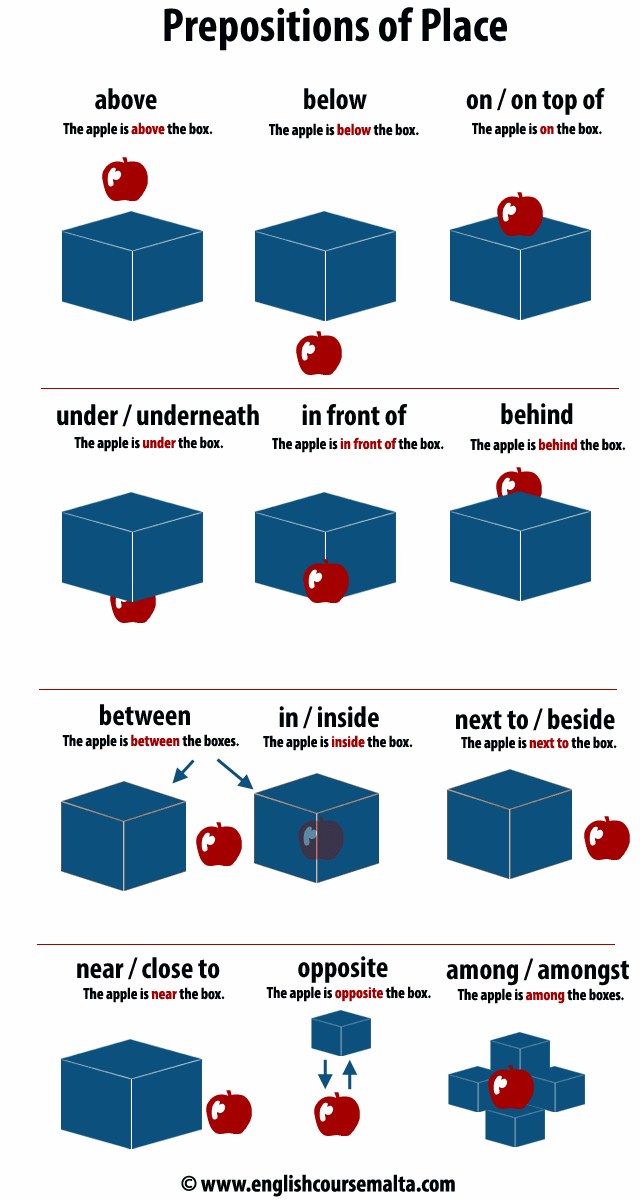
Prepositons of place and movement online video


Prepositions of place online exercise


Speaking practice about giving directions in the hospital


Exercises on pages 74 and 75


7.4.- CT scan and Making an appointment

What is like to get a CT scan with contrast? video


How to prepare for CT scan video


Exercises on pages 70 and 71.

She is seeing the doctor at that time. = In this statement 'at' is used as a preposition of time.

The prepositions of time in English are in, on, and at and they are used in relation to the unit of time.


Touch me in the morning and last thing at night.


Touch me by Rui da Silva lyrics video


In, on, and at as prepositions of time


Collaborative online exercise about in, on, and at as prepositions of time

Individual online exercise 1 about in, on, and at as prepositions of time on


Exercises on page 72

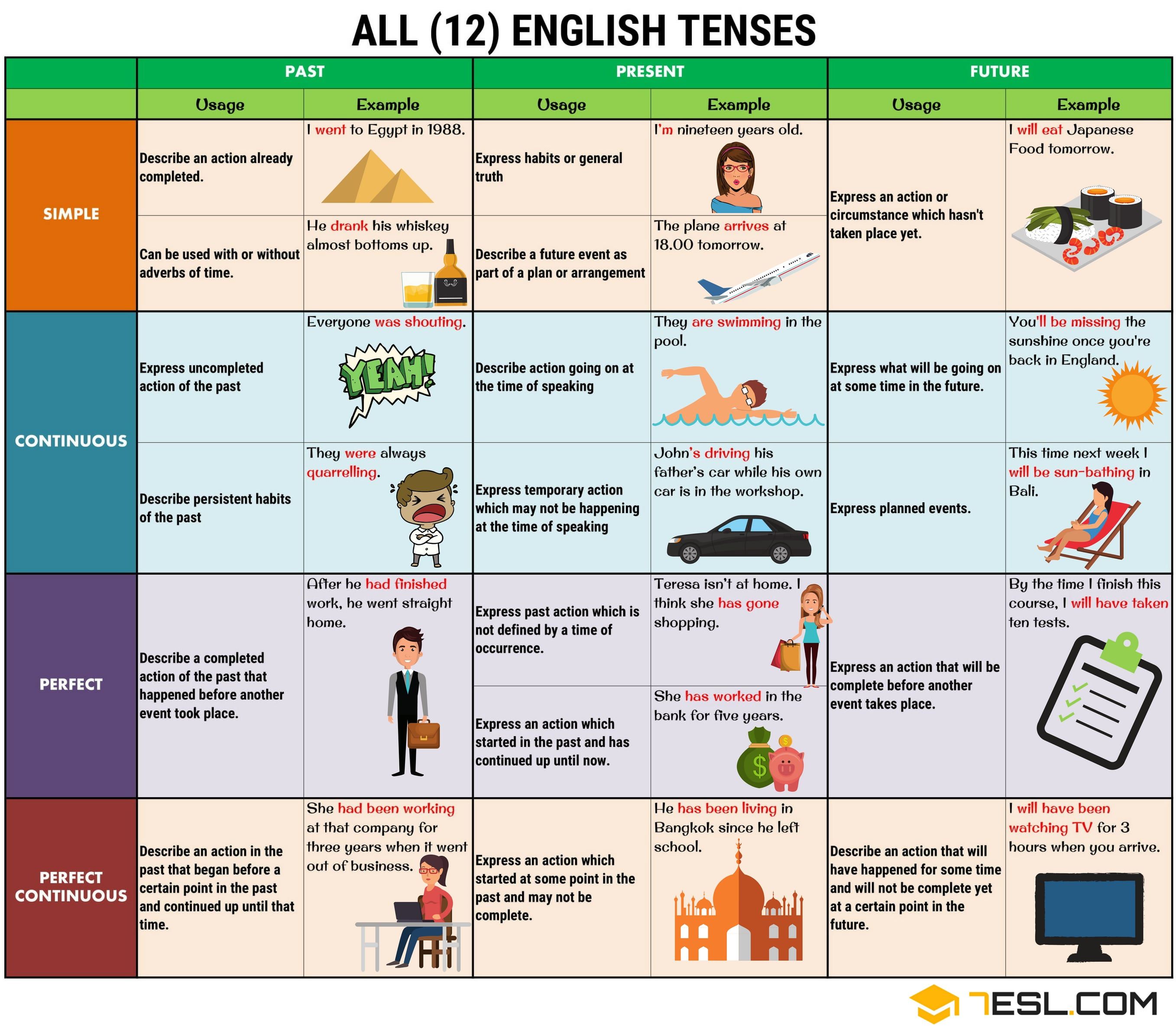
Do you how many tenses there are in English?


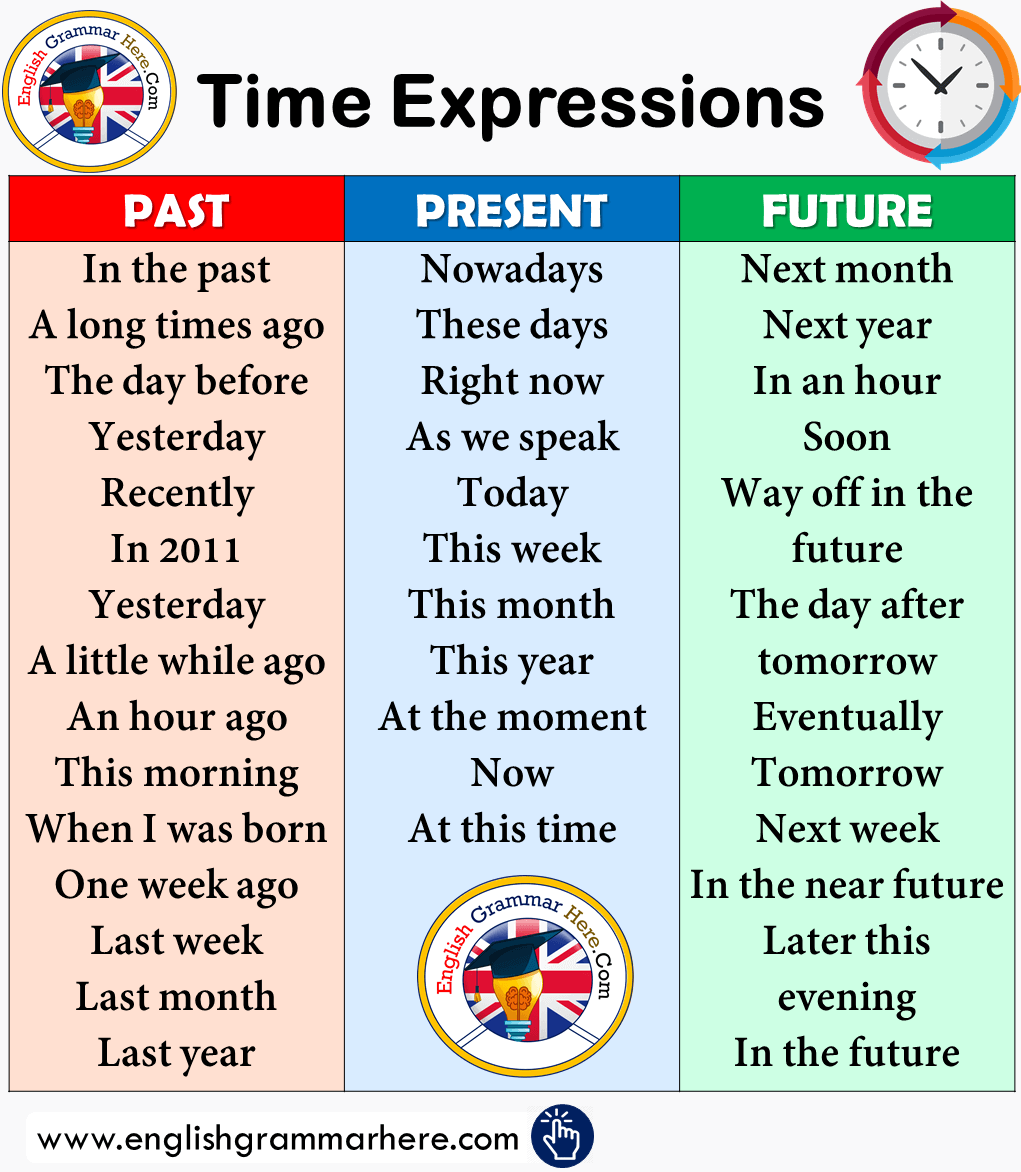
Individual online exercise about present, past or future simple tense
https://www.tolearnenglish.com/exercises/exercise-english-2/exercise-english-78168.php

7.3.- Preparing a patient for a radiology and clothing phrasal verbs


Video about what is radiology


Video quiz: 

Exercises 3a and b on page 69

Video about preparing a patient for radiology

Exercise d on page 70

Exercises 4a and b on page 71

Exercise d on page 71:

Exercise e on page 72

7.2.- X-ray contrast consent form and the use of ever

 X-ray contrast video


Exercises on pages 68

Have you ever...? song video
Have you ever loved and lost somebody?
Have you ever felt your heart was breaking?
Have you ever + Verb in Past Participle

Have you ever...? conversation video


The use of ever

Ever means 'at any time'. Never means 'at no time' or 'not at any time'. We often use 'ever' and 'never' with the present perfect, but they can also be used with other verb tenses.

  • I've never been to Brazil.
  • They had never seen such a beautiful sunset before.
  • Does she ever visit her mother?
In US English, 'never' and 'ever' are common with the past simple. This is less common in UK English.
  • I never saw such a big fish before.
We use 'ever' with questions.
  • Have you ever studied German?
  • Has Lucy ever been to the theatre?
  • Do you ever come to London?
For negative questions, we can use 'not ever'.
  • Doesn't he ever call his grandmother?
We use 'ever' in negative sentences if we have 'not'.
  • I haven't ever been here before = I have never been here before.
  • He doesn't ever take any exercise = he never takes any exercise.
We use 'ever' with negative adverbs like 'hardly' or 'barely' or 'scarcely' and in sentences with 'nothing' or 'nobody' or 'no one'.
  • Nobody has ever bought my paintings before.
  • Nothing ever turns out right!
  • We hardly ever go to the cinema.
  • She barely ever replies to my emails.
We can use 'ever' with superlatives and adjectives like 'only' and 'first'.
  • It was the first time that she'd ever been abroad.
  • That is the best meal that we've ever had.
  • It's the only thing that I've ever wanted.
With comparatives, we can use 'than ever'.
  • She was working harder than ever.
  • My life is better than ever!
We can use 'ever' after 'if'.
  • If you ever want a job, let me know.
  • If she ever comes to London, she can stay with me.
We can use 'never ever' to make the meaning of 'never' stronger. This is informal and often used by children.
  • I'll never ever come here again!
Sometimes 'ever' can mean 'always'.

We use 'as ... as ever' to say that something is the same as always.
  • He's as kind as ever (= he's still very kind / he's as kind as always).
  • The city is as exciting as ever (= the city is still very exciting / the city is as exciting as always).
We use 'ever since' to mean all the time since a certain point. (We can also use 'since' without 'ever' in these examples, but 'ever' makes it stronger.)
  • I've loved London ever since I was a child.
  • She's wanted to have children ever since she met her husband.
We use 'ever' to mean 'always' when we say 'for ever' or 'forever'.
  • I will love you for ever and ever.
We use 'ever' to mean 'always' in some compounds and in some set expressions like 'happily ever after'.
  • The trees are evergreen.
  • The prince and princess lived happily ever after.
Source: https://www.perfect-english-grammar.com/ever-and-never.html


Collaborative online exercise about the use of ever and never

https://www.tolearnenglish.com/exercises/exercise-english-2/exercise-english-4147.php


Individual online exercise about the use of ever and never online exercise

https://www.perfect-english-grammar.com/ever-and-never-exercise-1.html

lunes, 9 de agosto de 2021

7.1- Medical imaging

Medical imaging text from WHO

https://www.who.int/diagnostic_imaging/en/


Medical imaging video


Exercises on pages 66 and 67


6.5.- Moving and handling equipment and assessment

Various moving and handling equipment video


Exercise 6a on page 62 and exercises on page 63.


Video and handling assessment video


Collaborative exercises on pages 64 and 65


6.4.- Using a medical hoist


Exercises b,c, and d on page 62

6.3.- Using a slide sheet and some tenses to talk about the future

Using a slide sheet video


Body movements vocabulary chart

Verbs of movement online exercise

https://www.tolearnenglish.com/exercises/exercise-english-2/exercise-english-100834.php


Exercises on pages 60 and 61


Introductory video about about future tenses


Collaborative online exercise about some tenses to talk about the future
Individual online exercise about some tenses to talk about the future


6.2.- Getting a patient out of bed

Video about bed mobility


Mobility aids for getting the patients out of bed vocabulary

Exercises on pages 58 and 59


Collaborative Online Exercise about Verbs followed by Gerund and/or Infinitive

Individual Online Exercise about Verbs followed by gerund or to infintive

6.1.- Mobilising patients


Vocabulary chart about mobility aids


Video about Girls with Mobility Aids to identify the ones that appear in the video


Exercises on pages 56 and 57


firmly

slowly


'I hope they look after my husband carefully.'
How does she hope they look after her husband?

'The doctor all here work too quickly?'
How do the doctors work all there?

'They took him away a bit fast.'
How was he taken away?

'Can I ask you to speak more quietly, please?'
How are the women asked to speak?

'She wants to know if the operation is going successfully.'
What does she want to know about the operation?

'Your husband is resting comfortably.'
How is her husband resting?

'Yes, he's slowly recovering from the anaesthetic.'
How is he recovering from the anaesthetic?


Adverbs -ly from adjectives


Adjective - Adverb

firm - firmly

slow - slowly

soft - softly


Story video about the adverbs of manner: identify the adverbs that appear in the video.


Collaborative online exercise about the adverbs of manner

Individual online exercise about the adverbs of manner


Adverbs online exercise

https://www.tolearnenglish.com/exercises/exercise-english-2/exercise-english-109878.php

5.6.- Making a referral

Discuss in teams about cases when is good to make a referral. 

Introductory video


Exercise 6a on page 54 and exercises on page 55

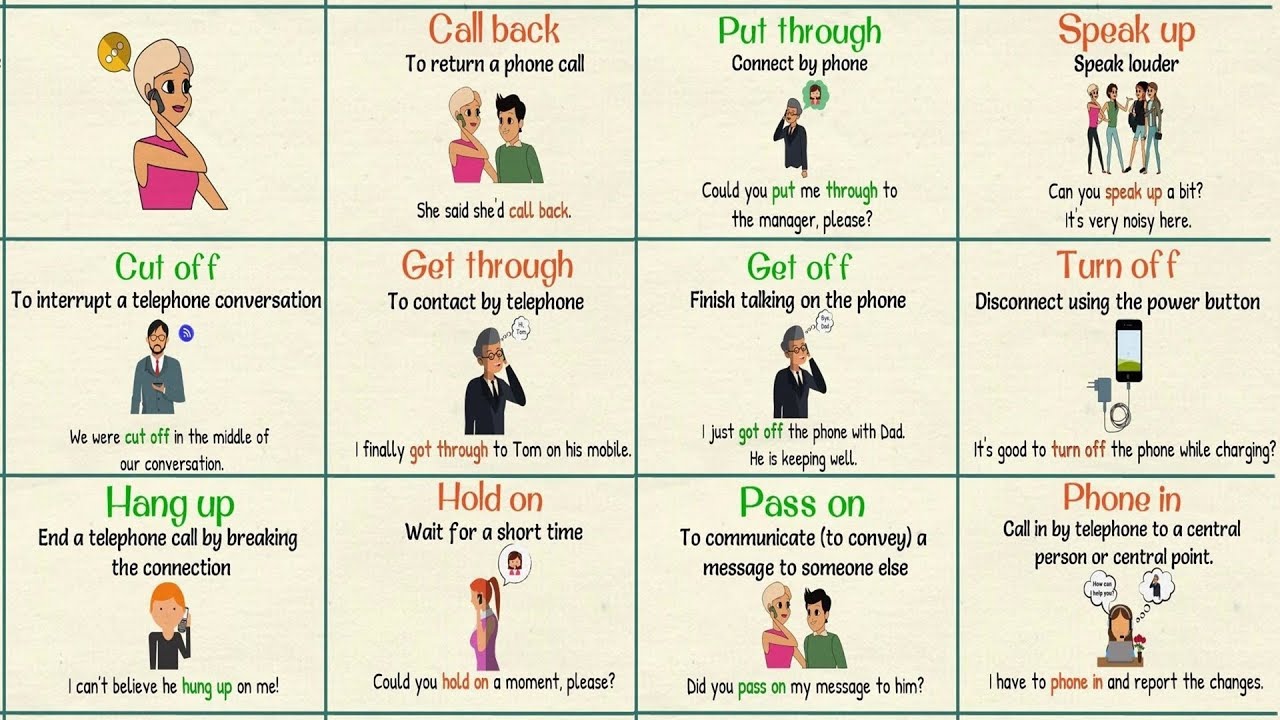
Individual Online Exercise about Phone Phrasal Verbs


5.5.- Charting and documentation: Food chart, the use of much and how many and the partitives

 Introductory video


Exercises on page 53


Introductory conversation video about the use of how much and how many


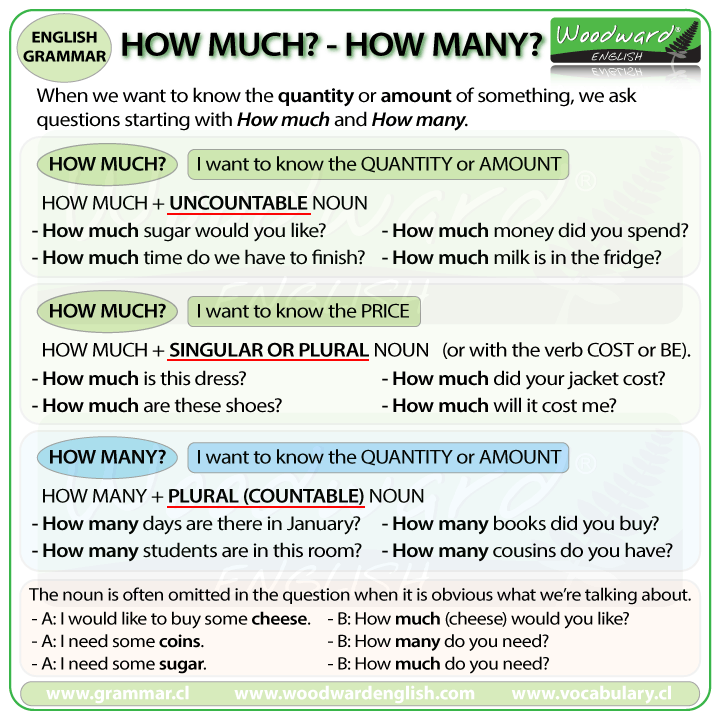
How much and how many chart


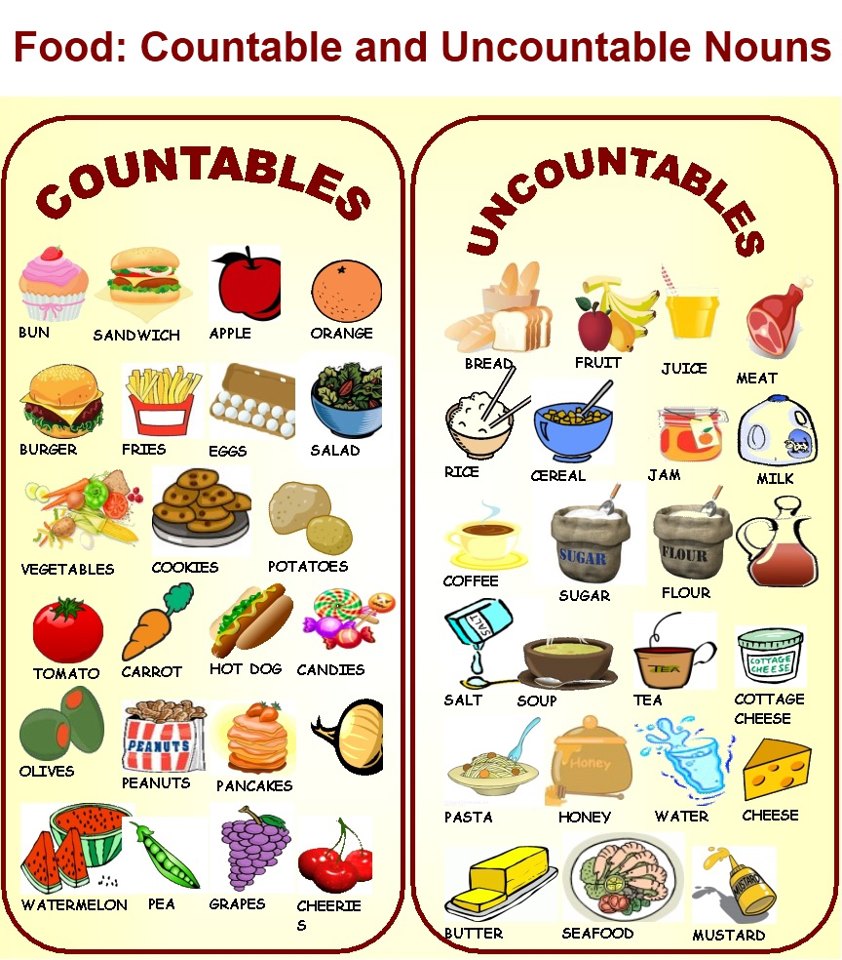
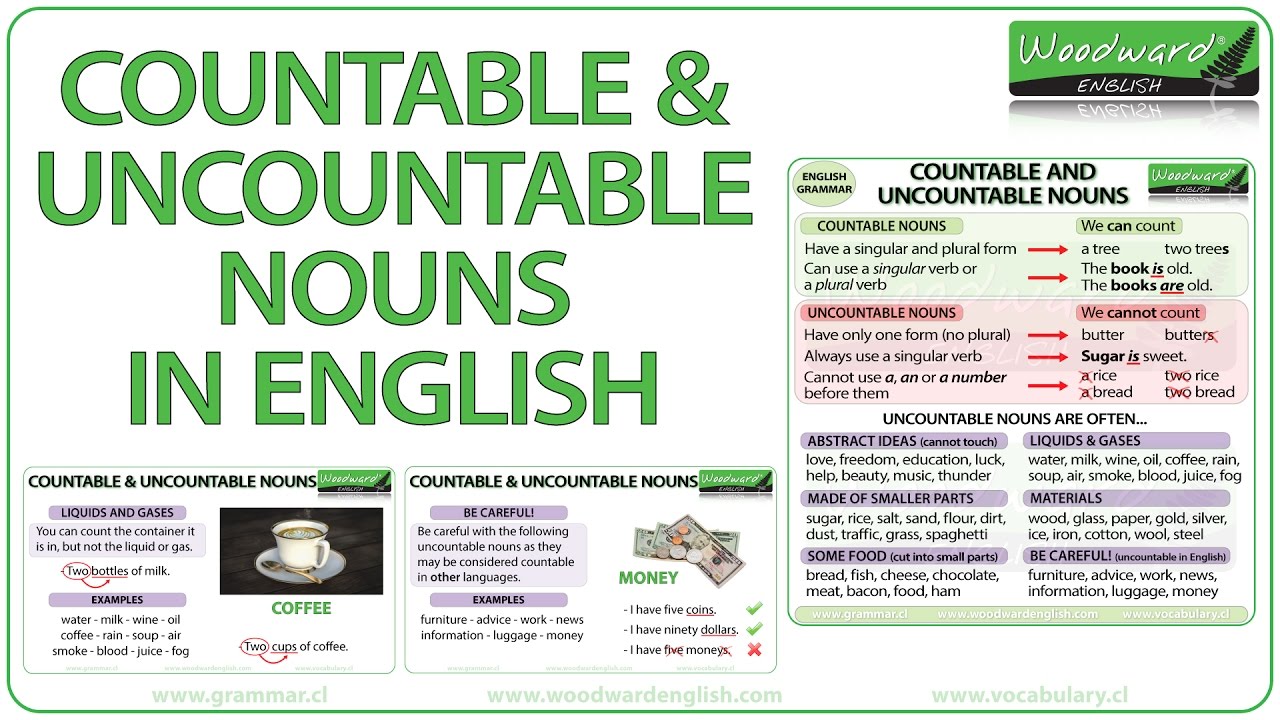
Countable and uncountable nouns chart


Collaborative exercise about the use of how much and how many

https://agendaweb.org/exercises/grammar/countable-uncountable/how-many-much

How much and how many onine exercise

https://www.englisch-hilfen.de/en/exercises/confusing_words/much_many3.htm


Introductory conversation video about quantifiers and partitives


Quantifiers
There is just a little oil left.
What do you say we cook some tuna salad?
You should buy some yogurt.
Are there any eggs?

Partitives
We need to buy a bottle of oil.
Then, we should buy two cans of tuna.
How many loaves of bread do we need?
A bunch of bananas

Quantifiers

Collaborative online exercise about the use of the quantifiers

Individual online exercise about quantifiers

The partitives


Collaborative online exercise about the partitives

https://agendaweb.org/exercises/grammar/containers/quantity-containers-1


Individual online exercise about the partitives

https://www.liveworksheets.com/at610438hr


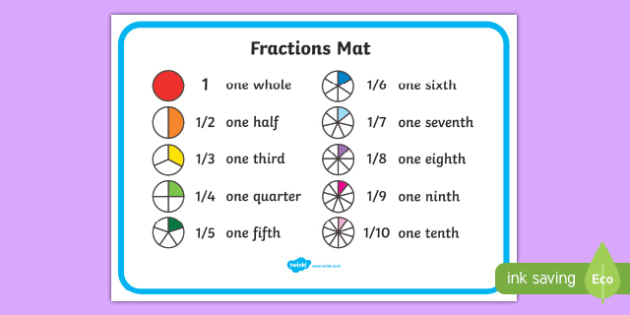
2/4 = two quarters

5.4.- Reassuring a patient before an unpleasant procedure

What unpleasant or painful medical procedures do you know?


The truth about 9 notoriously painful medical procedures online article on

https://www.prevention.com/health/g20436821/9-notoriously-painful-medical-procedures/


 AIDET video


Exercises on page 52

5.3.- Safe swallowing

What body systems do you know?


Body systems chart


Source: https://www.facebook.com/318287812118026/posts/human-body-systembody-systems-are-groups-of-organs-and-tissues-that-work-togethe/379556589324481/


What are the body systems that intervene when swallowing?


Respiratory system video


Respiratory system chart


Digestive System video


Digestive system chart


Swallowing video


Exercises on page 50


Safe swallowing strategies video


Exercise e on page 50

Safe swallowing vocabulary chart

Individual Online Exercise about the Digestive System

Exercises e and f on page 51


Swallowing exercises video


Charts about imperative


Collaborative online exercise about the imperatives

Exercises f and g on page 51

Presentation in teams about the five dos and don'ts when...
- Feeding a patient
- Giving a pill to a patient
- Injecting a patient
- Binding patient
- Doing a blood test
- Healing a wound
- Taking a patient to the toilet

Individual online exercise about the imperatives

Video about Neogastric (NG) Tube insertion

Exercises 4a, 4b, 4c and 4d on page 52.

Second Period Review

American Food Pyramid https://wordwall.net/es/resource/63683606 Online Exercise about Countable and Uncountables https://agendaweb.org/exerc...